Defending Focus Time When You Don't Own Your Calendar

A block of focus time survives for one of two reasons. Either nobody can see it well enough to book over it, or the person who books over it expects to get a reply. If other people have booking rights on your calendar and you have no standing to refuse them, you are working entirely on the second reason — which means focus time is not really a calendar problem for you. It is a correspondence problem, and the calendar settings are only the part that reduces how much correspondence you have to do. ...

29 October 2026 · 12 min · Cass

Why Your Meeting Policy Died in Week Six

Nobody repealed it. There was no meeting about ending it and no announcement. It was simply true in week two, mostly true in week five, and by week nine the people who were there when it was announced had stopped mentioning it, because mentioning it made them the difficult one. ...

25 October 2026 · 9 min · Cass

Meeting Budgets: Capping Hours per Team

A meeting budget works when it caps the team’s recurring load, counts in person-hours, and has one named person who says no when it is spent. It fails when it is written as a per-person quota, because then the person with the least power in the room is the one who runs out of budget first and has to decline a director to stay inside it. ...

24 October 2026 · 8 min · Cass

Core Hours for a Team Across Four Time Zones

Before you write a core hours policy, do the arithmetic. A team spread across four time zones from Central Europe to the US west coast has, on a standard nine-to-five, no overlap at all — not a narrow window, none — and the policy you are able to write is decided entirely by that number rather than by what you would prefer. Teams skip the arithmetic, announce core hours of 10:00 to 15:00 in a time zone nobody names, and find out in week two that it means 06:00 for one person and 22:00 for another. ...

23 October 2026 · 8 min · Cass

Rolling Out a No-Meeting Day Without It Dying

A no-meeting day is not hard to announce and not hard to keep for a fortnight. It dies somewhere around week seven, from exceptions that were each individually reasonable and that nobody counted. So the rollout is mostly one thing: deciding what the exceptions are before anybody asks for one. Everything else — the announcement, the enforcement, the review — takes about ninety minutes of work in total. The exception list is what makes those ninety minutes hold. ...

17 October 2026 · 9 min · Cass

No-Meeting Days: What the Evidence Actually Says

The honest summary: one credible study of 76 large companies found that introducing no-meeting days improved autonomy, communication and satisfaction and reduced stress and micromanagement, with the best results at three days a week rather than one. It is a survey of companies that chose to do it, measured largely through pulse surveys, with no control group described. That is a real finding and a weak one, and almost everything written about the no meeting day overstates it. ...

15 October 2026 · 9 min · Cass

A Meeting Policy That Survives Month Three

A meeting policy that is still working in month three has three properties the ones that die do not. It is written down somewhere a new person finds it without asking. It has an exception process that existed before the first exception. And somebody senior has been visibly inconvenienced by it, in public, at least once. ...

13 October 2026 · 13 min · Cass
A stack of papers marked with coloured sticky tabs

Meetings That Should Be a Document

The asynchronous meeting is not a meeting. It is a document with a deadline attached, and the useful question is not whether your team is async-first — it is which of the eleven recurring meetings on your calendar survive being written down, and what each conversion costs somebody. ...

9 October 2026 · 8 min · Cass
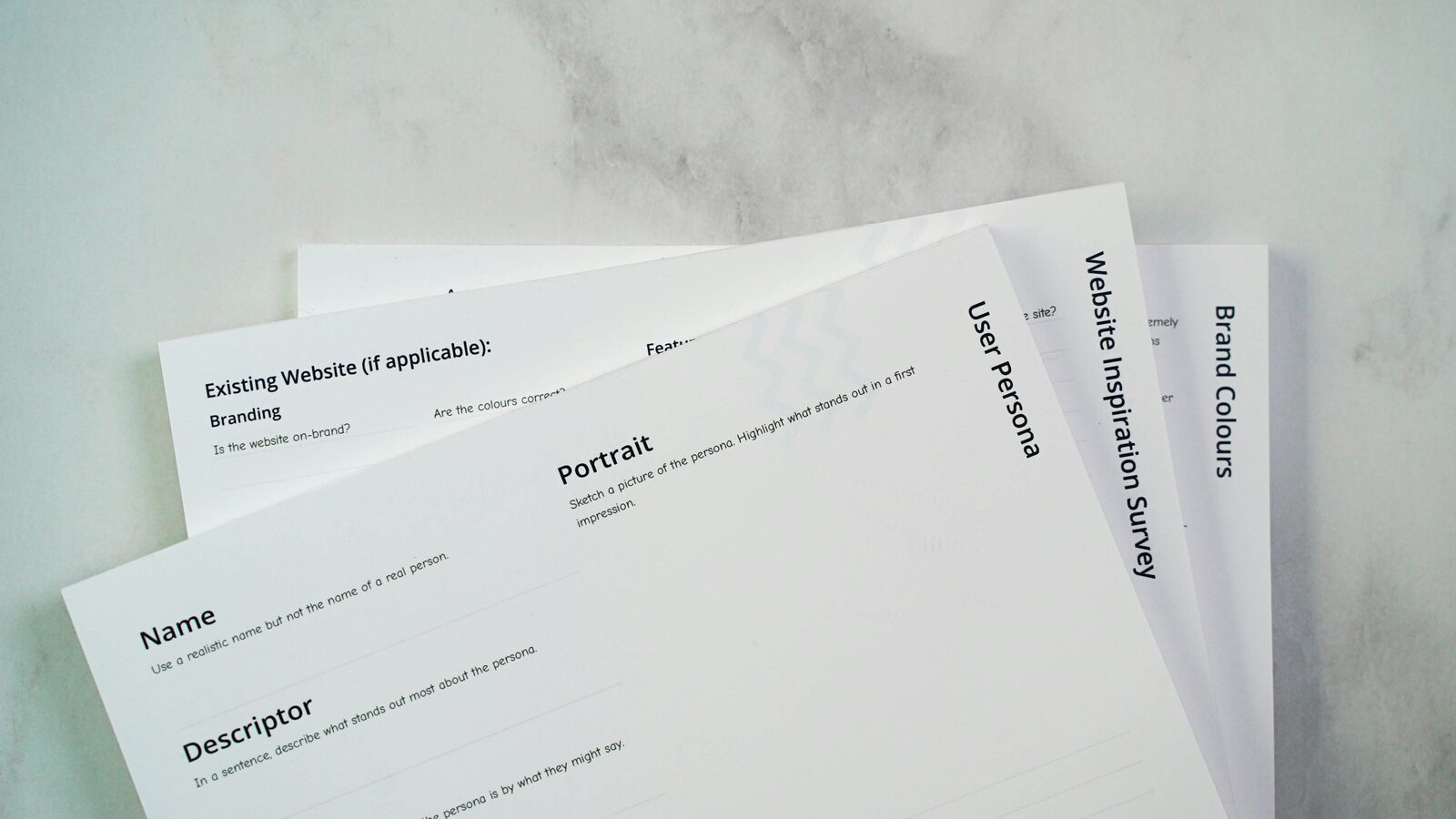
Three printed sheets of paper laid out on a table

Agendas That Change Who Shows Up

Almost every team meeting agenda is written for a room that has already been decided. The invite list came first, the agenda came Tuesday night, and the agenda’s job is to fill the hour the room was booked for. Written that way it can improve a meeting, but it cannot change who is in it. ...

7 October 2026 · 8 min · Cass
An oval wooden conference table surrounded by empty chairs

How to Cancel a Meeting Nobody Wants to Defend

There is a specific meeting this post is about. Everyone in it privately thinks it has stopped being useful. Nobody will say so, because saying so means telling the person who set it up that the thing they set up has stopped being useful. So it runs every Thursday, at reduced attendance, and it will run until someone leaves the company. ...

5 October 2026 · 9 min · Cass